The talent acquisition landscape has never been more competitive. Staffing agencies and recruiting firms face mounting pressure to fill roles faster while maintaining quality. Manual hiring processes create bottlenecks that cost time and money. Your competitors are already automating their workflows.
That’s where applicant tracking systems come in. Nearly 99% of Fortune 500 companies rely on ATS platforms to streamline recruitment. These systems don’t just organize resumes. They transform how agencies attract, assess, and hire talent efficiently.
But not all ATS platforms deliver the same value. Choosing the right features determines whether your system accelerates hiring or creates new frustrations. This guide breaks down the essential ATS features you need in 2026 to stay competitive.
Why Your ATS Choice Matters More Than Ever in 2026?
The recruitment game has changed. High application volumes, remote hiring, and candidate ghosting create new challenges daily. Traditional methods can’t keep pace. Staffing agencies receive an average of 250 applications per corporate job posting. Reviewing each manually wastes countless hours. Meanwhile, top candidates get snatched by faster competitors. You lose quality talent to inefficiency.
Modern ATS platforms solve this problem. They reduce hiring cycles by up to 60%. Automated screening filters unqualified candidates instantly. Your recruiters focus on relationship-building instead of administrative work. The result? Faster placements and happier clients.
Companies using ATS fill job vacancies 20% faster than those without. They also see an 86% reduction in time-to-hire. For staffing agencies operating on tight margins, these improvements directly impact profitability. Speed equals revenue in the recruiting business.
Beyond speed, ATS platforms improve hiring quality. AI-powered screening matches candidates to roles with greater precision. New hires sourced through ATS show 40% lower turnover rates. You place candidates who stick around and perform well.
Essential ATS Features Every Platform Must Have
Core functionality separates robust platforms from basic resume databases. Your ATS should handle fundamental tasks without constant manual intervention. These features form the foundation of effective recruitment automation.
Intelligent Resume Parsing & Candidate Profile Extraction
Resume parsing eliminates manual data entry completely. The system extracts contact details, work history, skills, and education automatically. Information flows into structured candidate profiles instantly.
Advanced platforms use AI to rank candidates based on qualifications. They identify keyword matches and relevant experience patterns. Top prospects surface immediately. Your recruiters skip unqualified applications entirely.
This feature saves massive time when processing high volumes. Agencies handling hundreds of applications daily need parsing accuracy. Poor parsing creates data errors that slow everything down. Quality systems achieve 95%+ accuracy rates.
Centralized Candidate Database & Talent Pool Management
Every applicant’s information lives in one searchable location. No more scattered spreadsheets or lost email attachments. Your entire talent pool exists within the ATS.
Search functionality lets you find candidates by specific skills or experience. Looking for Java developers with five years’ experience? Pull up matching profiles in seconds. The database becomes your competitive advantage.
Talent pools extend beyond current openings. Past applicants become future placements. When new roles appear, search existing candidates first. You fill positions faster using talent already in your system. This approach reduces sourcing costs significantly.
Multi-Channel Job Distribution & Board Integration
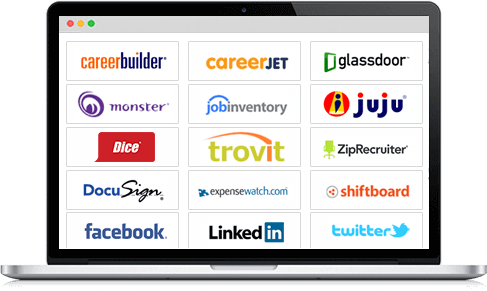
Post once, publish everywhere. Modern ATS platforms distribute jobs to 50+ boards simultaneously. No manual copying between sites. Your reach expands without extra effort.
Integration includes major boards like Indeed, LinkedIn, and ZipRecruiter. It also covers niche industry boards for specialized roles. One-click distribution ensures maximum visibility for every opening.
Social media posting amplifies reach further. Share openings to LinkedIn, Facebook, and Twitter directly from your ATS. Candidates discover opportunities through multiple channels. More applications mean better candidate selection.
Automation Features That Accelerate Hiring
Automation separates modern platforms from legacy systems. Manual tasks consume recruiter time that could go toward candidate relationships. Smart automation handles repetitive work automatically.
Customizable Recruitment Workflows & Pipeline Management
Different roles require different hiring processes. Executive searches demand more stages than entry-level positions. Your ATS should accommodate these variations easily.
Customizable pipelines let you design workflows per role type. Define stages like “Initial Screen,” “Phone Interview,” “Client Presentation,” and “Offer.” Candidates move through stages as hiring progresses. Visual pipeline views show exactly where each candidate stands.
Automated triggers advance candidates based on actions. When you mark someone “Phone Interview Complete,” they automatically enter “Client Presentation.” No manual status updates needed. The system keeps pace with your process.
Communication Automation & Candidate Engagement
Candidate communication happens automatically at key moments. Application acknowledgments are sent immediately when someone applies. Interview confirmations go out when you schedule meetings. Rejection emails deploy when candidates don’t advance.
Email templates ensure consistent messaging across all touchpoints. Customize templates for different scenarios. Personalization tokens insert candidate names and position details automatically. Communication feels personal despite being automated.
Text recruiting capabilities boost engagement significantly. SMS messages achieve 98% open rates compared to email’s 20%. Quick text updates keep candidates informed and engaged. Response rates increase when you meet candidates on their preferred channels.
Interview Scheduling & Calendar Integration
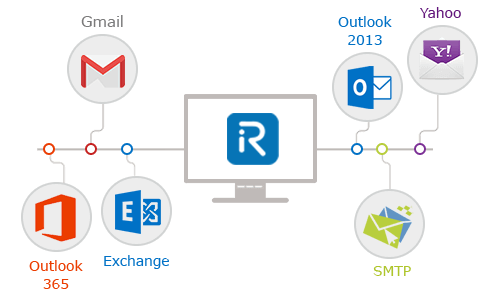
Coordinating interviews across multiple schedules wastes hours weekly. Calendar integration eliminates this friction. The system syncs with Google Calendar, Outlook, and other platforms.
Self-scheduling portals empower candidates to choose interview slots. They see available times and book directly. No back-and-forth emails required. Automated reminders reduce no-show rates by 40%.
Time zone handling matters for remote hiring. The system automatically adjusts times based on participant locations. Global recruitment becomes seamless. You coordinate interviews across continents without confusion.
Collaboration Tools for Team-Based Hiring
Recruitment involves multiple stakeholders. Recruiters, hiring managers, and clients all need access to candidate information. Collaboration features keep everyone aligned without chaos.
Shared scorecards standardize candidate evaluation. Team members rate candidates on predetermined criteria. All feedback lives in one location attached to candidate profiles. You review collective assessments before making decisions.
Role-based permissions control information access. Recruiters see everything. Hiring managers view only relevant candidates. Clients access specific candidate presentations. Granular permissions protect sensitive data while enabling collaboration.
Real-time updates notify team members of important changes. When a candidate advances stage, relevant parties receive notifications. Everyone stays informed without constant check-ins. Communication happens within the system instead of scattered emails.
Interview feedback collection streamlines decision-making. Interviewers submit structured evaluations immediately after meetings. Feedback appears in candidate profiles instantly. You compile interview insights without chasing team members for input.
Analytics & Data-Driven Recruitment Insights
Data transforms recruitment from guesswork to science. Modern ATS platforms track every aspect of your hiring funnel. Analytics reveal what works and what doesn’t. Time-to-fill metrics show how long positions stay open. Track this across job types, clients, and industries. Identify bottlenecks slowing your process. Make adjustments based on actual data.
Source effectiveness analysis reveals which channels produce quality candidates. Maybe LinkedIn delivers better matches than general job boards. Invest resources in sources that perform. Cut spending on underperforming channels.
Candidate drop-off rates expose application friction points. High abandonment at specific stages signals problems. Perhaps your application form asks too many questions. Analytics pinpoint exactly where improvements are needed.
Quality-of-hire tracking measures long-term placement success. Do candidates stay in roles? Do clients request more placements? These metrics indicate whether your screening effectively identifies strong matches. Adjust processes to improve quality consistently.
Customizable dashboards put critical metrics front and center. Build views showing the data that matters most to your business. Executive dashboards differ from recruiter dashboards. Everyone sees relevant information at a glance.
Integration & Scalability for Growing Teams
Your ATS doesn’t operate in isolation. It connects with other tools in your recruiting ecosystem. Integration capabilities determine how smoothly systems work together.
HR Tech Stack Integration Capabilities
HRIS and payroll integrations eliminate double data entry. When you hire someone, their information transfers automatically. Onboarding begins without manual file sharing. The transition from candidate to employee happens seamlessly.
Background check services integrate directly into workflows. Order checks with one click from candidate profiles. Results flow back into the ATS automatically. Compliance documentation stays organized in one location.
Assessment tools evaluate candidate skills objectively. Integrate testing platforms to send assessments and capture scores. Test results are attached to candidate profiles. You make data-informed decisions about capabilities.
Communication platform integration keeps conversations organized. Slack and Microsoft Teams connections centralize recruiting discussions. All communication related to candidates’ lives within your ATS. Nothing gets lost in separate channels.
Scalability for High-Volume & Global Hiring
Your ATS should grow with your agency. Platforms that work for 10 openings must handle 100 without breaking. Scalability ensures consistent performance at any volume.
High-volume hiring features manage large applicant pools efficiently. Bulk actions let you reject multiple candidates simultaneously. Automated screening handles initial filtering at scale. You maintain speed regardless of application quantity.
Multi-location support accommodates global operations. Create separate hiring workflows for different regions. Customize job board integrations by country. The system adapts to varied market requirements automatically.
Internal Mobility & Talent Redeployment
Past candidates represent valuable talent pools. Someone unsuitable for one role might perfect another. Internal mobility features help you redeploy talent effectively.
Tag candidates by skills and preferences for future matching. When relevant openings appear, the system identifies previous applicants automatically. Re-engagement campaigns bring past candidates back. You reduce sourcing time significantly.
Employee referral programs integrate into your ATS. Employees submit referrals directly through the platform. Track referral sources and reward successful placements. Referrals often convert faster than other sources.
Candidate Experience & Mobile Optimization
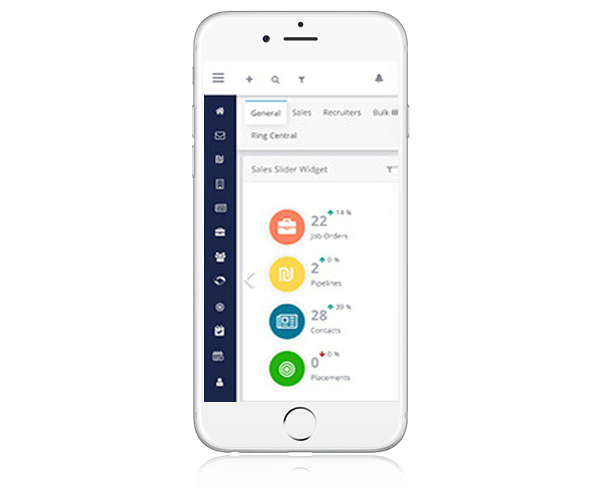
Candidate experience directly impacts application completion rates. Friction drives qualified applicants away. Mobile optimization ensures accessibility for candidates applying from any device.
Mobile-responsive application forms work perfectly on smartphones. Over 60% of job seekers use mobile devices for applications. Clunky mobile experiences cause abandonment. Your forms must display and function flawlessly on small screens.
Transparent status updates keep candidates engaged throughout. Applicants see exactly where they stand in the process. Automated communications provide regular updates. Ghosting decreases when candidates feel informed and valued.
Simplified application flows reduce completion time. One-click applications using LinkedIn profiles eliminate form fatigue. The fewer fields you require, the more completions you get. Streamline ruthlessly to maximize application rates.
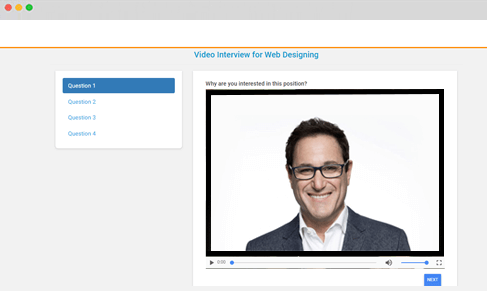
Video interview capabilities support remote hiring. Integrated platforms let you conduct and record interviews within your ATS. Recorded interviews allow team review and comparison. Remote recruiting becomes as effective as in-person.
Compliance, Security & Data Privacy
Staffing agencies handle sensitive personal information daily. Security breaches damage reputation and trigger legal consequences. Your ATS must protect data rigorously.
GDPR compliance features matter for European recruiting. Candidate consent management ensures legal data collection. Right-to-be-forgotten capabilities let candidates request deletion. Automated compliance reduces legal risk significantly.
CCPA requirements apply to California candidates. Similar privacy laws are emerging globally. Your ATS should adapt to evolving regulations automatically. Updates ensure ongoing compliance without constant manual adjustments.
EEOC compliance prevents discrimination claims. Track diversity metrics throughout hiring processes. Generate reports demonstrating fair hiring practices. Documentation protects your agency during audits.
Encryption protects data in transit and at rest. Role-based access controls limit who sees sensitive information. Audit logs track all system activity. You know exactly who accessed what information and when.
Secure record-keeping maintains historical data safely. Retain candidate information according to legal requirements. Automated retention policies delete data after specified periods. Compliance happens automatically without manual oversight.
Advanced & AI-Powered ATS Features for 2026
Cutting-edge features separate innovative platforms from standard systems. AI capabilities transform recruiting from reactive to predictive. Early adopters gain competitive advantages.
AI-Driven Candidate Matching & Predictive Analytics
AI algorithms analyze candidate profiles against job requirements comprehensively. They identify matches humans might miss. Scoring algorithms rank candidates by fit probability. Top matches appear first every time.
Predictive analytics forecast candidate success likelihood. Machine learning models analyze past placement data. They identify patterns correlating with long-term success. You make offers to candidates most likely to excel.
Chatbots handle initial candidate questions automatically. Common inquiries get instant responses 24/7. Candidates receive immediate support without recruiter involvement. Your team focuses on complex interactions requiring human judgment.
Diversity, Equity & Inclusion Tools
Blind screening removes identifying information from applications. Names, addresses, and graduation dates disappear during initial review. You evaluate qualifications without demographic bias. Diversity improves when screening focuses purely on skills.
Inclusive language analysis scans job descriptions for biased wording. It flags gendered terms and unnecessary requirements. Suggestions appear for more inclusive alternatives. Your postings attract diverse candidate pools.
DEI analytics track diversity throughout hiring funnels. Monitor representation at each stage. Identify where diverse candidates drop off. Make data-informed adjustments to improve inclusive hiring practices.
Integrated Onboarding & Talent Lifecycle Management
Seamless transitions from candidate to employee improve experiences. Onboarding begins immediately after offer acceptance. Digital offer letters include e-signature capabilities. Candidates sign and return documents instantly.
New hire documentation flows automatically to onboarding workflows. Tax forms, direct deposit, and policy acknowledgments are deployed electronically. Everything completes before day one. New employees arrive ready to work.
Performance tracking connections link hiring to long-term success. You measure which hiring decisions produced top performers. This data refines future candidate selection. Continuous improvement becomes systematic.
How to Choose the Right ATS for Your Organization?
Selecting the right platform requires careful evaluation. Your needs differ from other agencies. Consider these factors during assessment.
Assess your hiring volume and complexity first. Agencies placing 10 candidates monthly need different features than those placing 100. High-volume recruiting demands robust automation. Lower volumes prioritize simplicity.
Evaluate integration requirements with existing systems. List every tool your team uses daily. Confirm your ATS connects with each one. Disconnected systems create inefficiencies that negate ATS benefits.
Compare scalability and growth accommodation. Where will your agency be in three years? Your ATS should grow alongside your business. Outgrowing platforms forces expensive migrations later.
Mobile access matters for modern recruiting. Recruiters work from anywhere these days. Your ATS must function fully on mobile devices. Check both recruiter and candidate mobile experiences.
Budget considerations extend beyond subscription costs. Implementation, training, and integration expenses add up. Calculate the total cost of ownership accurately. Cheaper platforms often cost more long-term.
Ask vendors specific questions during demos. How does resume parsing handle unusual formats? What happens when candidate volume spikes? Can workflows accommodate your unique process? Detailed questions reveal platform limitations.
ATS Implementation Best Practices
Successful implementation requires planning and commitment. Rushed rollouts fail frequently. Follow these practices for smooth deployment. Define recruitment workflows before configuration begins. Map your entire hiring process in detail. Document every stage and decision point. Clear workflows guide system setup accurately.
Set up pipeline templates for different role types. Executive searches differ from temp placements. Create templates reflecting these variations. Consistent processes improve efficiency.
Configure job board integrations and automation rules carefully. Test postings to verify they appear correctly. Set automation triggers for common scenarios. Validate everything works before going live.
Customize workflows and establish role-based permissions. Determine who needs access to what information. Set permissions accordingly. Review regularly as your team evolves.
Ensure data security settings meet compliance standards. Enable encryption and access controls. Configure retention policies matching legal requirements. Security cannot be an afterthought.
Monitor key metrics from day one. Establish benchmarks before switching systems. Track improvements post-implementation. Data proves ROI and identifies optimization opportunities.
Train your entire hiring team thoroughly. Schedule comprehensive sessions covering all features. Create reference materials for ongoing learning. Designate system champions for peer support. Adoption fails without proper training.
Common ATS Mistakes to Avoid
Learning from others’ errors saves time and money. These mistakes appear repeatedly across implementations. Choosing features over usability kills adoption. Complex platforms with every feature imaginable frustrate users daily. They work around the system instead of using it. Prioritize ease of use over feature lists.
Neglecting data hygiene creates candidate database chaos. Duplicate profiles and outdated information reduce search effectiveness. Establish regular cleanup processes. Quality data drives quality results.
Failing to train hiring managers undermines collaboration. Managers who don’t understand the system won’t use it. Their disengagement slows hiring. Include all stakeholders in training programs.
Ignoring candidate experience damages your employment brand. Clunky application processes drive talent away. Test your candidate-facing workflows regularly. Simplify ruthlessly based on feedback.
The Strategic Advantage of the Right ATS
Well-configured ATS platforms transform staffing agencies fundamentally. They evolve from reactive resume processors to strategic talent partners. The difference shows in the results.
Speed advantages compound over time. Filling roles 20% faster means more placements annually. Revenue increases without adding recruiters. Your agency scales efficiently.
Data-driven decision making replaces guesswork. You know which sourcing channels perform best. Client preferences become clear through analytics. Every choice is based on evidence rather than intuition.
Compliance protection reduces legal exposure significantly. Automated documentation and audit trails provide an ironclad defense. EEOC inquiries become manageable instead of catastrophic. Peace of mind has value.
Your ATS becomes your competitive moat. Agencies leveraging advanced features outperform those stuck with manual processes. Technology separates winners from those struggling to survive.
Ready to transform your recruitment process? RecruitBPM combines powerful ATS functionality with integrated CRM capabilities. Our unified platform automates workflows while maintaining the personal touch that drives placements. Book a demo today to see how the right features accelerate your agency’s growth.