Hiring the wrong salesperson is expensive. Between lost pipeline, onboarding costs, and the time it takes to recruit a replacement, a single bad hire can cost a company tens of thousands of dollars, and that’s before accounting for the deals they didn’t close. The frustrating part? Most of those bad hires look great on paper.
You’ve reviewed the resume. You’ve done the phone screen. The candidate looks great on paper. But then they join the role, and within 60 days, you know something is off. This scenario costs staffing agencies more than time. A bad placement damages your client relationship, your reputation, and your bottom line. The fix isn’t interviewing
Every dollar your recruiting team spends without a clear return is a dollar your agency can’t reinvest in growth. The average cost-per-hire now sits above $4,700 across industries, and for specialized verticals like IT staffing or healthcare, that number can climb past $6,000 per placement. The question isn’t whether your hiring process costs too much.
Hiring has never been cheap, but it’s gotten expensive in ways most teams don’t fully track. According to SHRM, the average cost per hire sits at roughly $4,700, and that number climbs fast when you factor in time-to-fill delays, agency fees, and the hidden cost of a bad hire. The traditional recruiting process is full
Hiring the wrong person costs more than most companies realize. Between wasted onboarding time, reduced team morale, and the expense of restarting the search, a bad hire can set your organization back months, not just dollars. The frustrating part? Most hiring mistakes are preventable. Resumes and interviews only reveal what candidates want you to see.
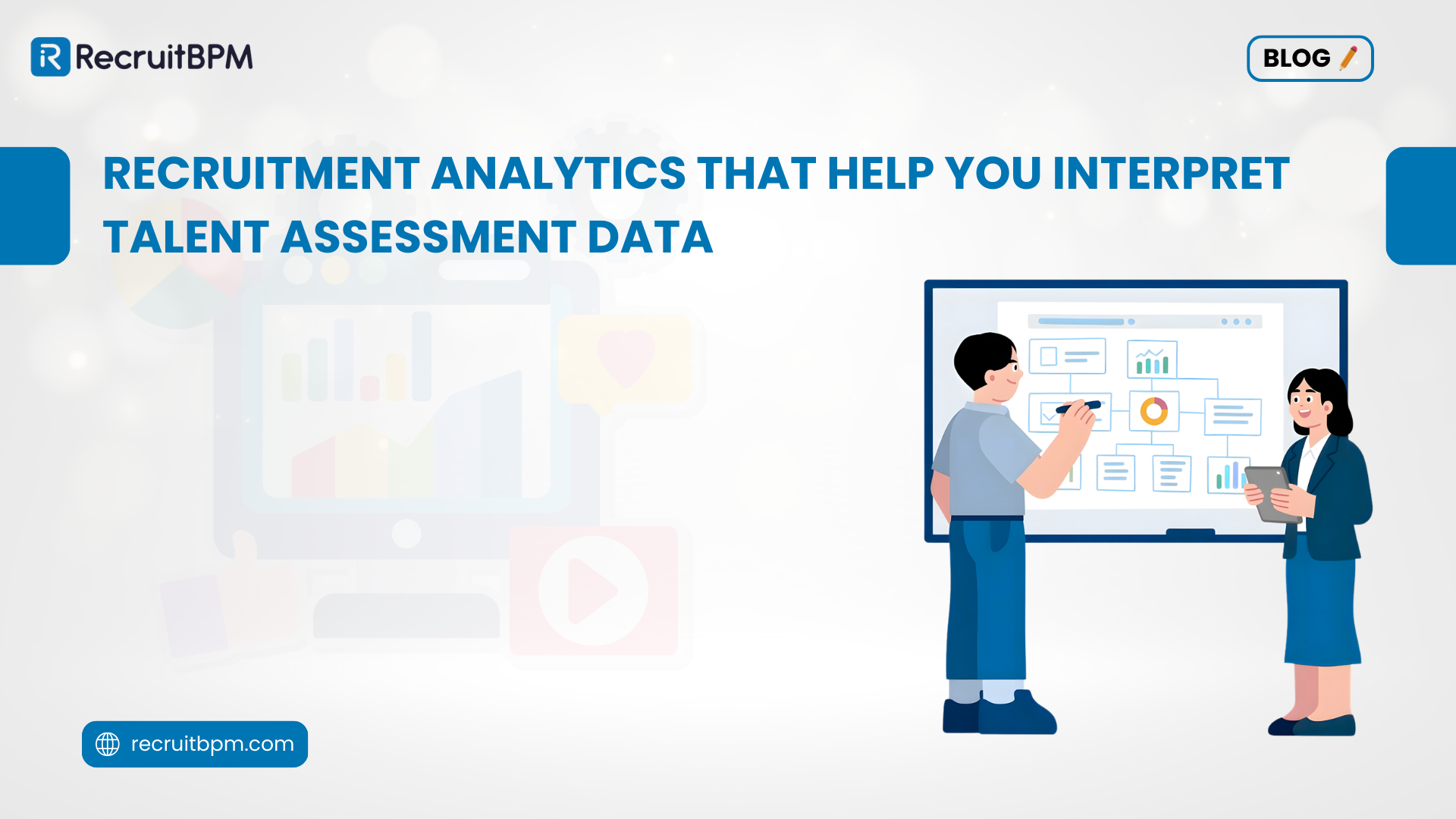
Your hiring team ran the assessments. Candidates completed the tests, submitted scores, and moved through the pipeline. Now you’re sitting on a stack of numbers, and nobody is quite sure what to do with them. This is one of the most common problems in modern recruitment. Companies invest in talent assessments but underinvest in the
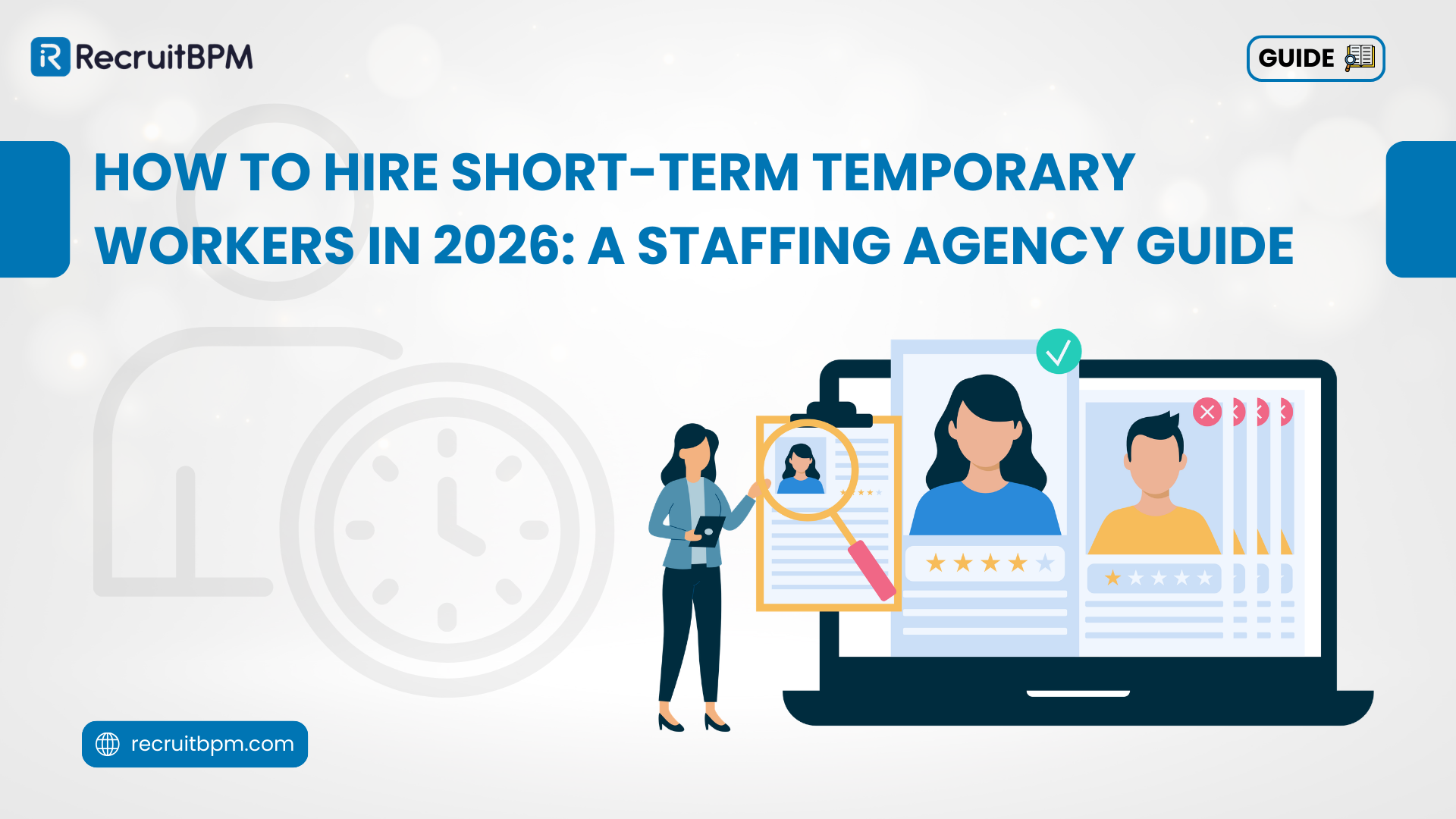
Most staffing agencies treat temporary hiring as a reactive problem, a gap to plug, a fire to put out. But that mindset is costing you placements and client trust. In 2026, the agencies winning temp business are running it like a repeatable, scalable system. This guide breaks down exactly how to hire short-term temporary workers,
We are excited to introduce several powerful improvements and new capabilities designed to make recruiting faster, smarter, and more efficient. This release focuses on AI automation, improved usability, and performance enhancements across the platform. 1. Ava – Conversational ATS Introducing Ava, a fully functional AI-powered Conversational ATS assistant. Ava interacts with recruiters, and administrators through
The best candidates for your next open role are online right now, browsing job boards on their phone, scrolling LinkedIn between meetings, or passively watching a company’s career page to see if the culture feels right. If your hiring process still starts with posting a job and hoping for applications, you’re already behind the companies
Nearly 87 million Americans are projected to freelance by 2027, roughly half the entire U.S. workforce. For staffing firms, that number isn’t just a statistic. It’s a pipeline you either build or watch a competitor claim. The gig economy has matured fast. What started as ride-sharing and food delivery has grown into a $674.1 billion